
Weekend Warriors: How to Implement Active Recovery
Last Updated: November 16, 2026
Quick Summary
To implement active recovery, weekend warriors should schedule low-intensity sessions of 20 to 45 minutes, such as easy walking, cycling, or swimming, and keep effort at a 3 or 4 out of 10 so you can hold a conversation. Follow a gradual 24-to-72-hour schedule after hard exercise and use a morning soreness check to adjust each day.
- Warm up five to ten minutes before hard activity and build one recovery day into every week.
- Soreness often peaks 24 to 72 hours after hard exercise, so follow the gradual three-day schedule.
- On the effort scale of 1 to 10, aim for 3 or 4 and use the talk test as your primary check.
- Book a chiropractic assessment when soreness lingers past a few days or limits how you move.
Table of Contents
- What Active Recovery Means for Weekend Warriors
- Weekend Warrior Injury Prevention Starts With Recovery
- Active Recovery Exercises You Can Do the Day After
- Building an Active Recovery Day Routine
- How Long Should Active Recovery Last?
- Choosing Intensity: Effort and Heart-Rate Guidance
- Soreness or Injury? How to Tell the Difference
- When to Book a Chiropractic Assessment
- Frequently Asked Questions
What Active Recovery Means for Weekend Warriors
Active recovery is low-intensity movement that helps your body clear waste products and rebuild tissue after hard exercise. For weekend warriors, it is the difference between a Monday you can function through and one spent stiff and sore.
Here is the key idea most guides skip: recovery is not a day off. It is a planned session with its own dose, just like your Saturday game.
Many people treat rest and recovery as the same thing. They are not. Complete rest has its place, but light movement keeps blood flowing to tired muscles and helps them loosen up. To understand the mechanisms behind this, read about how chiropractic affects the nervous system.
The payoff is simple. You stay looser, you sleep better, and you get back to your sport with less stiffness.
Weekend Warrior Injury Prevention Starts With Recovery
The biggest mistake we see is treating recovery as optional. Weekend warriors pack a week of training into two days. That spike in training load is where most injuries start.
Prevention starts before the soreness shows up. A few habits do most of the work:
- Warm up for five to ten minutes before any hard activity
- Add a cool-down and light stretching after you finish
- Raise your training load slowly instead of jumping in
- Build one recovery day into every week
What most guides miss is that injury prevention is not just about the workout. It is about how you spend the hours after it. Muscles that cool down too fast get tight. A short walk or easy stretch later in the day keeps them supple.
Light movement is commonly associated with keeping joints mobile and muscle groups working together during recovery.
Active Recovery Exercises You Can Do the Day After
The best active recovery exercises are low-impact and easy to control. You want movement that raises blood flow without adding new strain to sore muscles.
Low-Impact Movement Options
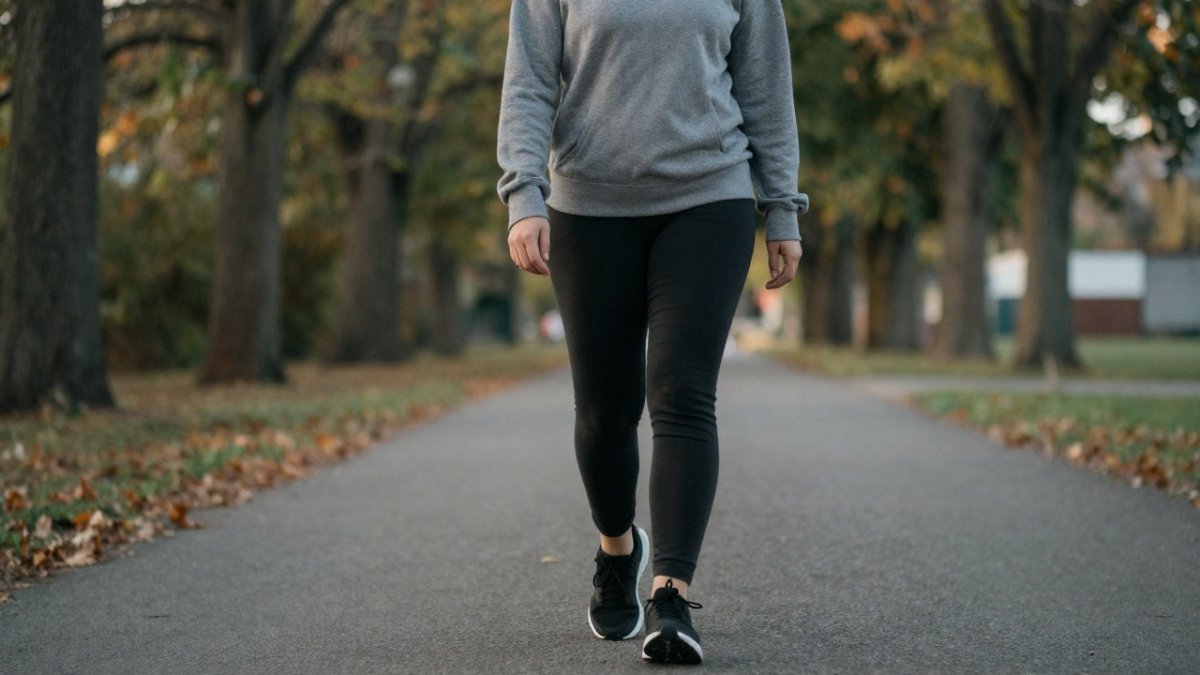
Walking is the easiest place to start. A relaxed 20 to 30 minute walk gets your circulation going without pounding your legs. Light jogging, cycling, and swimming are good options too, as long as you keep the pace easy.
Hydrotherapy, like a warm pool session, takes weight off sore joints (Water therapy and Arthritis). Yoga and Tai Chi add gentle mobility work. Cross-training with a different activity gives tired muscle groups a break while keeping you moving.
Mobility and Tissue Work
Mobility work keeps stiff joints from locking up. Try gentle range-of-motion drills for the hips, shoulders, and spine.
For tissue work, a foam roller or massage gun can ease muscle tightness. Stretching bands help you reach a gentle stretch without forcing it. Keep pressure light. This is not the day to dig deep into a sore spot.
Building an Active Recovery Day Routine
A recovery day routine does not need much time. Twenty to forty minutes is plenty. The goal is to move, not to train.
Here is a simple routine you can follow:
- Start with a five minute easy walk to warm up
- Do ten minutes of low-impact movement like cycling or swimming
- Spend five to ten minutes on mobility drills for tight areas
- Finish with light foam rolling or stretching
- Drink water and eat a meal with protein and carbs
You can also add a few minutes of stress relief breathing. Slow, calm breathing helps your body settle into recovery mode. If you want more options, our guide to nervous system regulation exercises for beginners gives you simple routines that fit easily into a recovery day.
Watch out: do not turn your recovery day into a second workout. If you finish more tired than you started, you pushed too hard.
How Long Should Active Recovery Last?
Active recovery sessions are often kept to a short, low-intensity window, and many people find 20 to 45 minutes works well. Soreness often peaks in the 24 to 72 hours after hard exercise, so a gradual schedule over that window can make sense. (Source: physical activity and injury prevention)
The 24-to-72-hour recovery schedule
- Hours 0 to 6 after exercise: Do a five-to-ten-minute cool-down walk and gentle range-of-motion drills while your muscles are still warm. This is not a stretch session; keep it easy and stop before you feel any pulling.
- Day 1 (24 hours after): A 20-to-30-minute easy walk plus five minutes of light stretching for the muscle groups you used. Keep the effort at a 3 or 4 out of 10. If soreness is sharp rather than dull, skip the walk and use gentle mobility only.
- Day 2 (48 hours after): 20 to 30 minutes of low-impact movement such as cycling, swimming, or an easy walk, plus five to ten minutes of mobility work for hips, shoulders, and spine. This is usually the sorest day, so keep the pace conversational and shorten the session if you feel worse afterward.
- Day 3 (72 hours after): If soreness is fading, repeat the Day 2 session or return to light sport-specific movement. If soreness is unchanged or worse, take a full rest day and reassess. Do not add intensity until soreness is clearly trending down.
How to adjust the schedule
The timeline is not fixed. It depends on how hard you trained, how much of your body was involved, and how you normally respond. A hard game or a long hike may need the full three days. A light session may need one.
Use a simple morning check to decide each day: rate your soreness from 1 to 10, press gently on the sorest spot, and try a bodyweight squat or an arm raise.
Watch out: do not stretch a sore muscle aggressively in the first 24 hours. Forceful stretching on damaged tissue can increase soreness and delay recovery; gentle movement and light range-of-motion work are enough.
The article lays out a gradual 24-to-72-hour recovery schedule you can follow after hard exercise.
| Timepoint | What to do | Effort or duration |
|---|---|---|
| Hours 0 to 6 after exercise | Cool-down walk and gentle range-of-motion drills | Five to ten minutes |
| Day 1 (24 hours after) | Easy walk plus light stretching for muscles used | 20 to 30 minutes, effort 3 or 4 out of 10 |
| Day 2 (48 hours after) | Low-impact movement plus mobility work for hips, shoulders, spine | 20 to 30 minutes plus five to ten minutes |
| Day 3 (72 hours after) | Repeat Day 2 session or return to light sport-specific movement | Only if soreness is fading |
| Morning check | Rate soreness 1 to 10, press sorest spot, try squat or arm raise | Proceed if 3 or lower; repeat easier session if 5 or higher |
Choosing Intensity: Effort and Heart-Rate Guidance
A common guideline for active recovery intensity is that you should be able to hold a conversation. If you are gasping for air, you are training, not recovering.
Effort scale
On a scale of 1 to 10, aim for 3 or 4. Keeping the effort easy enough to recover from can pair well with comfortable compression gear afterward, while Greatness Wins offers another angle on supporting recovery.
Heart-rate guidance
Heart rate gives you a second check. Heart rate can serve as a secondary check, but individual responses vary widely, and general estimation formulas are only rough guides.
If you wear a monitor, watch for two warning signs: your heart rate climbing like it would in a real workout, or your heart rate staying elevated well after you stop. Either one means the session was too hard. The talk test is just as reliable and needs no equipment, so use it as your primary check and treat heart rate as confirmation.
A mid-session self-check
About ten minutes in, pause and ask three questions: Can I speak in full sentences? Is my breathing comfortable through my nose? Do my legs or arms feel looser rather than heavier? If you answer no to any of them, slow down or stop. The goal is to finish feeling better than you started, not to finish a workout.
How intensity differs by person
Recovery needs differ by person, and older athletes or people new to exercise often benefit from lighter, shorter sessions.
Watch out: do not use a wearable's calorie or strain score as a target for recovery days.
Soreness or Injury? How to Tell the Difference
Normal delayed-onset muscle soreness shows up 24 to 48 hours after exercise. It feels like a dull ache across a muscle group, and it fades with light movement.
An injury looks different. Watch for these signs:
- Sharp or stabbing pain in one spot
- Pain that gets worse instead of better
- Swelling, bruising, or heat around a joint
- Limited range of motion that does not improve
- Numbness or tingling
If you notice these injury symptoms, stop and get it checked. Do not push through sharp pain. For everyday aches, the RICE method (rest, ice, compression, elevation) can help in the first day or two. After that, gentle movement often helps more than staying still.
When to Book a Chiropractic Assessment
Book a chiropractic assessment when soreness lingers past a few days, keeps coming back, or limits how you move. A qualified professional can check your joints, posture, and movement patterns to find the cause.
At Cafe of Life Chiropractic Studio, we offer a natural, drug-free approach focused on mobility, posture, and recovery. You can book a sports injury assessment with our team, or read our guide to chiropractic sports injury recovery to see what care involves before you decide.
If your goal is prevention, our article on natural ways to prevent muscle strains shares practical habits to keep you moving between weekend activities.
Your body can handle the weekend if you give it the right support during the week. At Cafe of Life Chiropractic Studio, we help active people move better and recover well through a holistic, drug-free approach.
Frequently Asked Questions
What is active recovery, and how is it different from rest?
Active recovery means gentle movement that keeps blood flowing to sore muscles without adding training stress. Examples include walking, easy cycling, swimming, or mobility work. Complete rest means no structured movement at all. Research on recovery suggests light activity can ease muscle soreness and stiffness for many people, while complete rest suits acute injuries, illness, or deep fatigue. A practical approach is to try 20 to 30 minutes of low-impact movement and see how your body responds the next day.
How long should an active recovery session last?
Most weekend warriors do well with 20 to 45 minutes of low-intensity movement. Keep the effort easy enough that you could hold a conversation. If you are very sore, start with 10 to 15 minutes of walking or gentle cycling and build up. The session should leave you feeling looser, not depleted. If soreness worsens during or after the session, shorten it or switch to complete rest and reassess.
Should I do active recovery the day after a hard workout?
Yes, for most people. The day after strenuous activity is often when delayed-onset muscle soreness peaks, and light movement can help with stiffness and circulation. Choose low-impact options like walking, swimming, or easy cycling, and avoid heavy lifting or high-intensity intervals. If you have sharp pain, swelling, or joint instability rather than general soreness, skip the session and seek advice from a qualified health professional.
Can active recovery help prevent weekend warrior injuries?
It can play a part. Weekend warrior injury prevention usually combines gradual progression, a proper warm-up, and recovery between sessions. Active recovery supports that by keeping muscles and joints moving without overload. Pair it with strength work during the week and a sensible build-up in training load. If pain persists beyond a few days or limits normal movement, book an assessment with a qualified practitioner rather than pushing through.