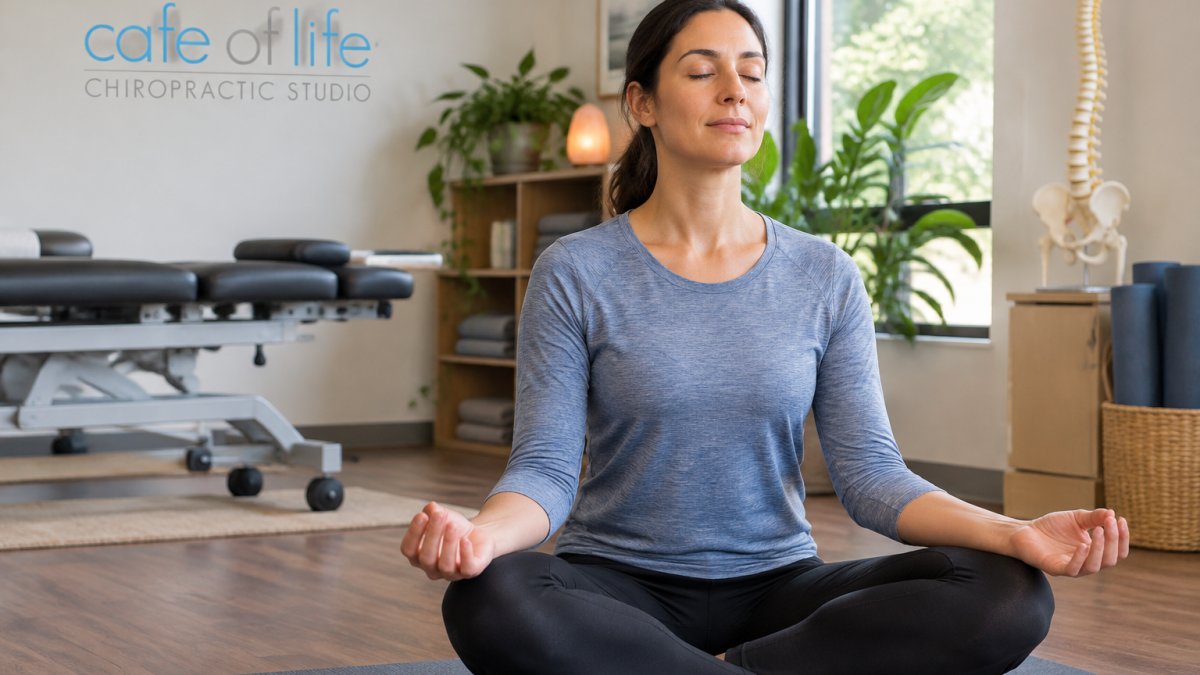
How to Build 7 Simple Daily Habits for Nervous System Health
Last Updated: November 16, 2026
Quick Summary
You build nervous system health with seven simple daily habits: a slow start without your phone, breathing exercises for stress, daily movement, mindfulness or prayer, a consistent sleep routine, morning sunlight, and hydration while limiting toxins. Pick one habit and start today, then add another next week.
- Sit up and take three slow breaths before standing to start your day calmly.
- Box breathing means inhaling, holding, exhaling and holding for a count of four.
- Aim for movement most days, since consistency matters more than intensity.
- Most adults need seven to nine hours of sleep a night.
- Set a caffeine cutoff time in the early afternoon so it does not interfere with sleep.
Table of Contents
- Why Nervous System Health Matters Every Day
- How to Calm Your Nervous System with a Slow Start
- Nervous System Regulation Techniques: Breathing Exercises for Stress
- Daily Movement and Exercise for Nervous System Health
- Breathing Exercises for Stress You Can Do Anywhere
- Mindfulness, Meditation, and Prayer for a Sense of Safety
- Sleep and Nervous System Health: Building a Rest Routine
- Everyday Practices: Sunlight, Hydration, and Limiting Toxins
- Start Your Seven Habits This Week
- Frequently Asked Questions
Why Nervous System Health Matters Every Day
Your nervous system runs everything you do, from your heartbeat to your mood. Nervous system health is the day-to-day condition of that system, and it depends less on one big fix than on small habits repeated daily. This guide breaks down seven habits you can start today.
Stress can keep many people in fight-or-flight mode. Deep breathing, movement, and rest may help bring the body back toward calm.
Small daily habits add up. Skipping them shows up as poor sleep, tight shoulders, and low energy.
If you want professional support alongside daily habits, you can book a chiropractic assessment. Curious how often care makes sense? Read about chiropractor visit frequency for nervous system care.
How to Calm Your Nervous System with a Slow Start
The first ten minutes of your day set the tone for the rest. A slow start means waking without a jolt: no phone, no rushing, no loud news.
Try this simple routine:
- Sit up and take three slow breaths before standing
- Drink a glass of water before coffee
- Stretch your neck and shoulders gently
- Spend two minutes near a window
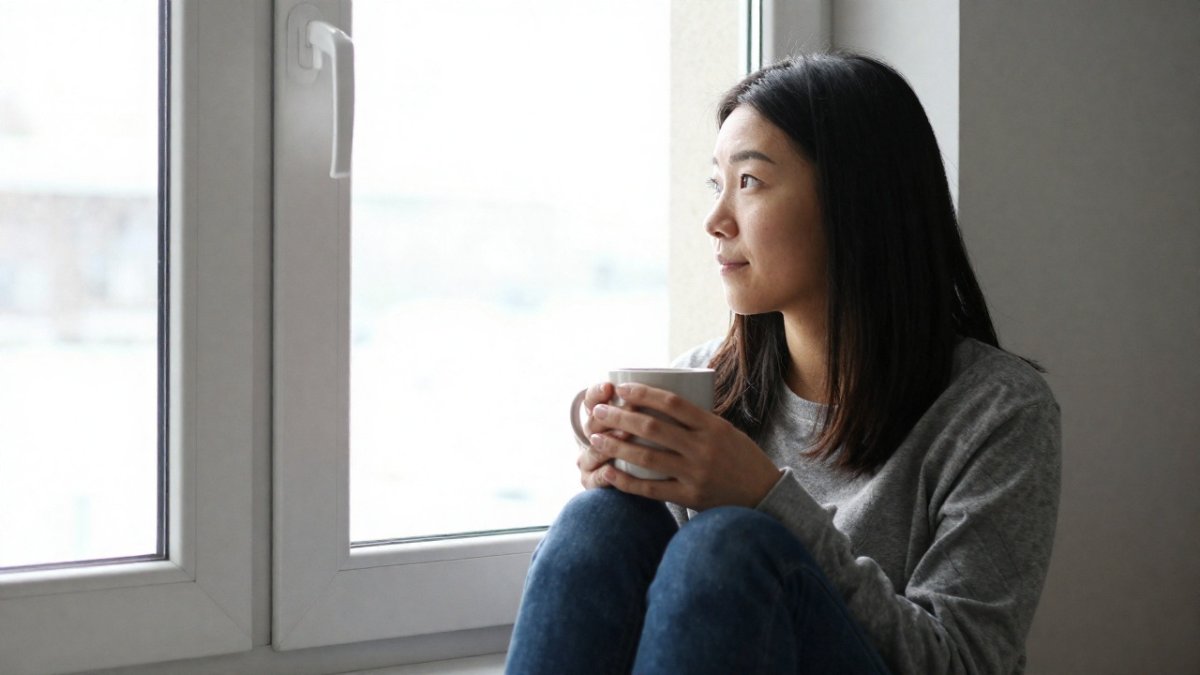
A common mistake is reaching for your phone first. That floods your system with stress before your feet hit the floor.
If neck tension shows up during your slow start, these steps for natural relief from neck tension help.
Nervous System Regulation Techniques: Breathing Exercises for Stress
Breathing exercises for stress can help settle the body. Slow, deep breaths are commonly associated with a sense of calm, a connection also noted by the National Center for Complementary and Integrative Health.
The simplest technique is box breathing:
- Breathe in for a count of four
- Hold for four
- Breathe out for four
- Hold for four, then repeat
Do four rounds whenever stress spikes. A longer exhale than inhale helps too; try in for four, out for six.
Many people find these techniques easier with practice. If you want more options, this guide to nervous system regulation exercises for beginners walks you through them.
Daily Movement and Exercise for Nervous System Health
Regular movement can support nervous system health. Exercise may help with stress and sleep for many people.
You do not need a gym. Try:
- A 20-minute walk outdoors
- Gentle yoga or stretching
- Bodyweight squats and lunges at home
- A short bike ride
Aim for movement most days. Consistency matters more than intensity. Even ten minutes counts.
Watch out: jumping straight into hard workouts when you are already stressed can leave you more wired, not calmer. Start easy.
Breathing Exercises for Stress You Can Do Anywhere
You can use breathing exercises for stress anywhere: at your desk, in the car, or in line at the store. No equipment needed. The trick is matching the pattern to how you actually feel, because a practice that calms one person can leave another feeling more keyed up.
Use this quick map to choose a practice for your state:
- Keyed up or anxious (racing heart, tight chest): Try a longer exhale. Inhale through your nose for four, exhale for six to eight. Repeat for one to two minutes. The longer exhale is the signal that tends to settle heart rate.
- Shut down or numb (low energy, flat mood): Try a slightly brisker, even breath, in for four and out for four, for one minute, then stand and stretch. Gentle movement plus even breathing can help you re-engage without tipping into stress.
- Restless or wired (can't settle, mind jumping): Try box breathing: in for four, hold for four, out for four, hold for four. Do four rounds. The counting gives your attention a simple job.
- Overwhelmed (too many demands, shallow breath): Try a "micro reset": three slow breaths with your eyes closed, then name one thing you can do next. It takes under a minute and works well between meetings.
A common pattern is that people try the most intense pattern first and feel worse. Start with the gentlest option that fits your state, and stop if you feel dizzy or short of breath.
Watch out: breath holds and very slow breathing are not right for everyone, including people with panic disorder, asthma, or cardiovascular conditions. If a pattern makes you feel lightheaded or panicky, return to normal breathing and choose a simpler option.
Accessibility matters here. You can do every pattern seated, with your eyes open, and without changing your posture. If you are sensory-sensitive, skip the counting and simply follow the inhale and exhale. If you are in a public place, a single long exhale is enough to take the edge off. (Source: Government of Canada's mental health resources)
If you want more options, this guide to nervous system regulation exercises for beginners walks you through them.
Match the breathing pattern to how you actually feel with this quick map.
| State | Practice | How to do it |
|---|---|---|
| Keyed up or anxious | Longer exhale | Inhale for four, exhale for six to eight |
| Shut down or numb | Even breath | In for four, out for four, then stretch |
| Restless or wired | Box breathing | In, hold, out, hold for four; four rounds |
| Overwhelmed | Micro reset | Three slow breaths, then name one next step |
Mindfulness, Meditation, and Prayer for a Sense of Safety
Mindfulness means paying attention to the present moment without judgment. Meditation and prayer, for many people, build a sense of safety that calms the stress response. The National Center for Complementary and Integrative Health, part of the National Institutes of Health, notes that mindfulness and meditation practices are widely studied for their effects on the stress response.
Start small:
- Two minutes of quiet breathing
- A short gratitude list
- A brief prayer or reflection
- A body scan, noticing each area from head to toe
The goal is not a blank mind. It is noticing when your thoughts drift and gently coming back.
If you want a wider approach, this guide to holistic stress management for anxiety covers more tools.
Sleep and Nervous System Health: Building a Rest Routine
Sleep and nervous system health are tightly linked. Poor sleep raises stress, and high stress makes sleep harder. Breaking that loop starts with a routine.
Try these steps:
- Go to bed at the same time each night
- Dim the lights before bed
- Put screens away before bed
- Keep the room cool and dark
A short wind-down, like reading or light stretching, tells your body rest is coming. Most adults need seven to nine hours of sleep a night, according to Canada's sleep guidelines from the Canadian Society for Exercise Physiology. Keeping a steady sleep routine can support this transition into rest, while a guide to regulating your nervous system can help connect bedtime habits with a calmer daily rhythm.
Everyday Practices: Sunlight, Hydration, and Limiting Toxins
Sunlight, water, and fewer toxins round out the seven habits. Each one supports your nervous system in a simple, everyday way, and each can be adapted to your mobility, budget, and sensory needs.
Sunlight. Morning light helps set your body clock, which in turn supports sleep and mood. Spending time outdoors in daylight can help set your body clock. Avoid staring at the sun. If you cannot get outdoors, sitting near a bright window may help. Ask a health professional before using a light therapy lamp, especially if you have a history of eye conditions or bipolar disorder.
Hydration. Even mild dehydration can show up as fatigue, headache, and irritability, which can feel like stress. Keep a water bottle nearby and sip through the day. A simple check is urine color, though a health professional can advise on hydration needs. If you have kidney or heart conditions, follow your clinician's advice on fluid intake.
Limiting toxins. This means cutting back on things that strain your system:
- Excess alcohol
- Smoking and vaping
- Too much caffeine late in the day
- Constant screen time
Small cuts add up. Pick one to reduce this week. For caffeine, a common pattern is to set a cutoff time in the early afternoon so it does not interfere with sleep. For screens, try a 30-minute buffer before bed and charge your phone outside the bedroom.
Focus on reducing known stressors rather than relying on products or programs that promise to flush toxins.
Fitting these into a real day. These practices work best when attached to something you already do. Pair morning sunlight with your commute or a dog walk. Pair hydration with meals. Pair reducing screen time with your wind-down routine. If you have limited mobility, seated outdoor time or an open window still counts. If cost is a barrier, all three practices are free.
Tracking progress without overthinking it. Once a week, you may find it helpful to rate your perceived stress from one to ten and note how quickly you return to baseline after a stressful moment. You are looking for trends, not perfection. If symptoms are persistent or severe, daily habits complement rather than replace care from a qualified professional.
Start Your Seven Habits This Week
Seven simple habits will not fix everything overnight. But practiced daily, they support nervous system health in a steady, lasting way.
At Cafe of Life Chiropractic Studio, we take a natural, drug-free approach to care for every stage of life, with a holistic focus on mobility, posture, and well-being.
Pick one habit from this list and start today. Then add another next week.
Schedule your first visit today! to start building a calmer, healthier daily routine.
Frequently Asked Questions
What are simple daily habits that support nervous system health?
Start with small, repeatable practices: a slow morning start, a few minutes of deep breathing, regular movement, and a consistent wind-down before bed. Add time outdoors, steady hydration, and brief mindfulness or prayer. The goal is consistency rather than intensity, so pick one or two habits to begin with and build from there. If symptoms like persistent dizziness, numbness, or anxiety interfere with daily life, speak with a qualified health professional.
Can breathing exercises for stress help regulate the nervous system?
Slow, deliberate breathing is one of the most accessible nervous system regulation techniques. Many people find that extending the exhale longer than the inhale feels calming. Try four counts in and six counts out for two to three minutes. Practice during a calm moment first so the technique feels familiar when stress rises. Stop if you feel lightheaded and return to normal breathing.
How does sleep and nervous system health connect?
Sleep is when the body recovers and the stress response resets. A regular sleep and wake time, a dark cool room, and a screen-free wind-down all support that process. Caffeine late in the day and long naps can make it harder to fall asleep. If you regularly struggle to sleep or wake unrefreshed despite good habits, talk to a health professional rather than assuming it is only stress.
When should I talk to a health professional about nervous system symptoms?
Seek professional advice if you notice persistent numbness or tingling, muscle weakness, balance problems, ongoing dizziness, or anxiety that affects daily functioning. These signs deserve an assessment rather than self-management alone. A qualified practitioner can review your history and recommend appropriate care. Chiropractic and other hands-on approaches may form part of a broader plan, but they are not a substitute for medical evaluation of new or worsening symptoms.